Study in Spain · A Filipino student’s guide

Spain could be your next chapter. Is it the right one?

A European degree, a new language and a different pace of life can be exciting. The real decision starts with your course, your budget and the kind of future you want to build.

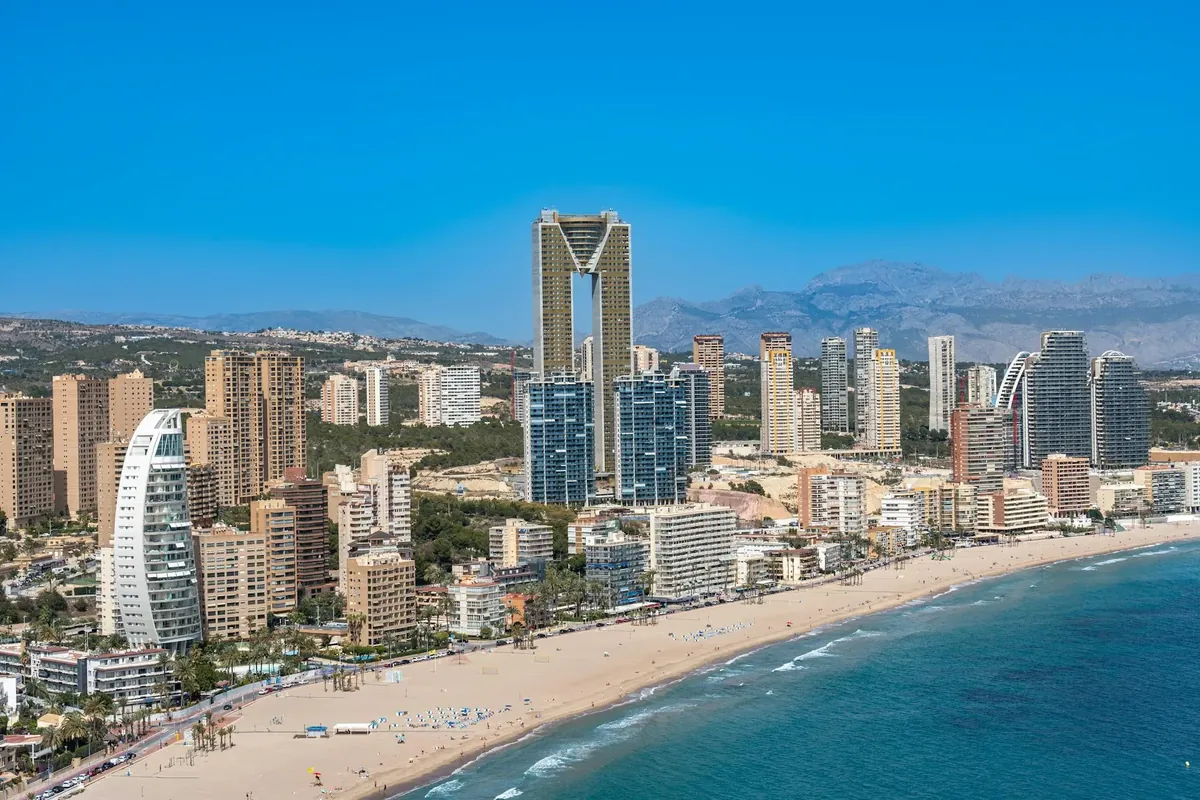
A Spanish coastal city combining urban life and the Mediterranean

The big picture · 2024

118,947

study-related permits granted by Spain, including a small share for family members—93% more than a decade earlier.

Spanish Ministry of Inclusion data

Growth in context

Spain is earning a place on more student shortlists.

The permit trend tells us Spain is drawing international interest. It does not tell us how many of those students are Filipino, whether a particular degree will be recognised for your goal, or what your life there will cost.

The better question is: does Spain offer a course and a life you would choose even without a guaranteed job or migration outcome?

Start with your own plan

Three things to picture before you apply

01

What will I actually pay?

Public-university fees can be attractive: EU guidance gives typical annual ranges of €700–€1,700 for bachelor’s and €1,000–€3,500 for master’s study. Your actual programme, residency category and city matter more than the average.

02

Can I study in my preferred language?

English-taught options exist, especially at postgraduate level. But Spanish remains the main teaching language—and learning it can shape how comfortably you study, live and look for work.

03

What will this qualification let me do?

Check university recognition and how the degree fits your goals. If you plan to practise a regulated profession, ask about the separate recognition requirements before enrolling.

The budget reality

A lower tuition fee is not the whole budget

Spain may cost less in tuition than some English-speaking options, particularly at public universities. But calculate the first year in full: course fees, housing, food, insurance, flights, visa evidence and money for the unexpected.

  • Compare cities: EU guidance estimates €1,000–€1,200 a month in Madrid or Barcelona, while a student sharing accommodation in Valencia could use roughly €700–€900 as a starting monthly estimate. Costs depend on rent and lifestyle, and some smaller Spanish cities may also be closer to €700–€900.
  • Check the exact fee: private universities and individual programmes can cost much more.
  • Work can complement your studies: A part-time job may provide useful experience and additional income, provided you follow your visa conditions.

Try this before you choose

Build two realistic versions of your plan

Compare your preferred course in a major city with a suitable course in a smaller one. Put the full first-year costs beside each other, then ask which experience fits your goals and resources.

Use our destination checklist

Work and the future

Employment is growing. Your own pathway still needs planning.

Spain reported record Social Security participation at the end of 2025, including more than 3.1 million foreign contributors. That is a positive national signal, not a graduate job offer. Opportunities depend on your field, region, Spanish ability and experience.

While studying

Work may be possible—not automatic

Eligible students with long-duration study authorisation may undertake compatible work, generally up to 30 hours a week under current guidance. Confirm your own conditions before accepting a role.

After graduation

Make your skills portable

Look for practical experience, language learning and university career support. Choose a qualification that serves your ambitions even if you ultimately work outside Spain.

EU labour-market information identifies shortages in some health, machine-operation and agricultural roles. A shortage is not a promise of employment or professional registration.

Before applying

Questions worth asking before you apply

  1. Is this exact university and qualification recognised for what I want to do?
  2. What language are classes, assessments and graduation requirements actually in?
  3. What is my complete first-year budget, including fees, housing, insurance, visa evidence and travel?
  4. Will my Philippine qualifications need homologation, equivalence or UNEDasiss processing?
  5. If I want a regulated profession, what further recognition will I need?
  6. What does the Spanish Consulate in Manila currently require for my study visa?

Keep the decision yours

Choose the course, not a promise

Good destination decisions weigh course fit, quality, total cost, safety, student experience and employability. Judge Spain by those factors—not by a single attractive number.

Part-time work is not guaranteed, student status is not permanent residence, and policies change. Check current written advice for your circumstances.

Use our complete destination checklist

Compare your options

Is Spain the right fit for your study plan?

We can help you compare recognised programmes, language requirements, total costs and application steps without promising a particular admission, visa or migration result.

Book a free consultation

General information only. Always verify current institutional and government requirements before applying.